Infant car seat testing is an important step for many infants before discharge, particularly those who require additional monitoring or evaluation.
Yet many facilities continue to perform testing using makeshift solutions that can complicate workflow and create unnecessary challenges for staff.
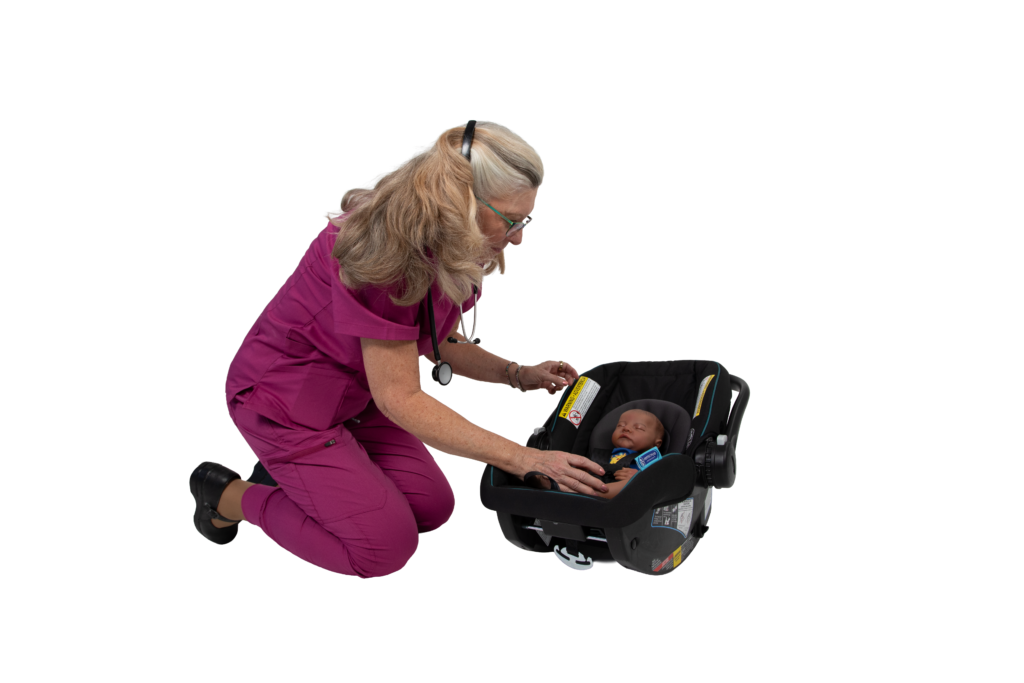
Common Challenges During Car Seat Testing
Without dedicated equipment, infant carriers may be placed on:
- Floors
- Chairs
- Tables
- Beds
- Countertops
These locations may be inconvenient, inconsistent, or difficult to manage within busy clinical environments.
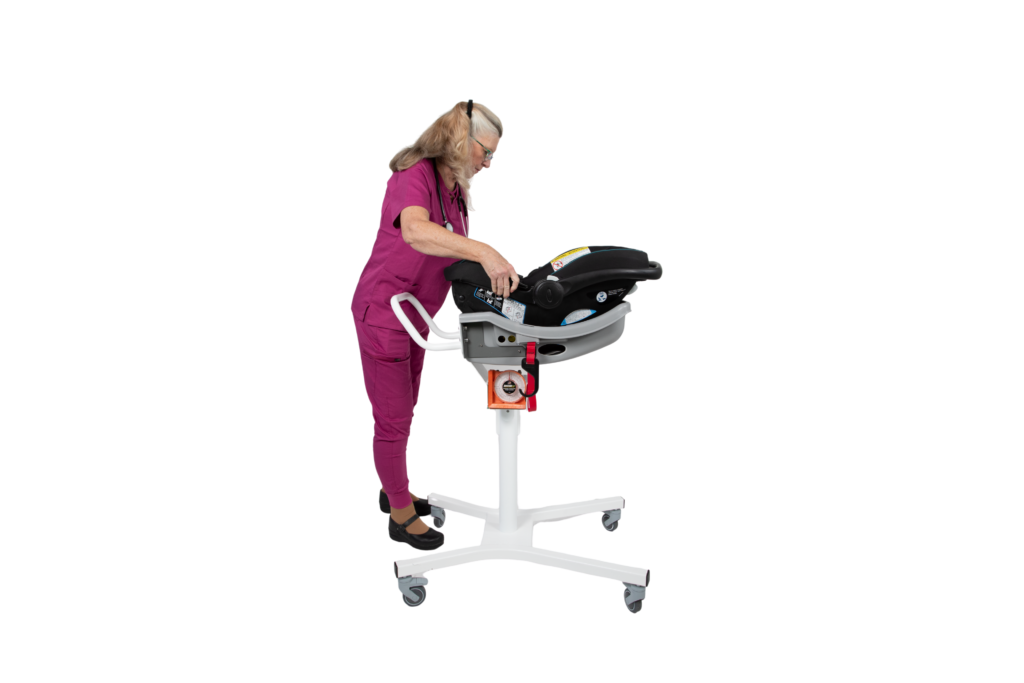
A Better Approach to Infant Car Testing in Hospitals
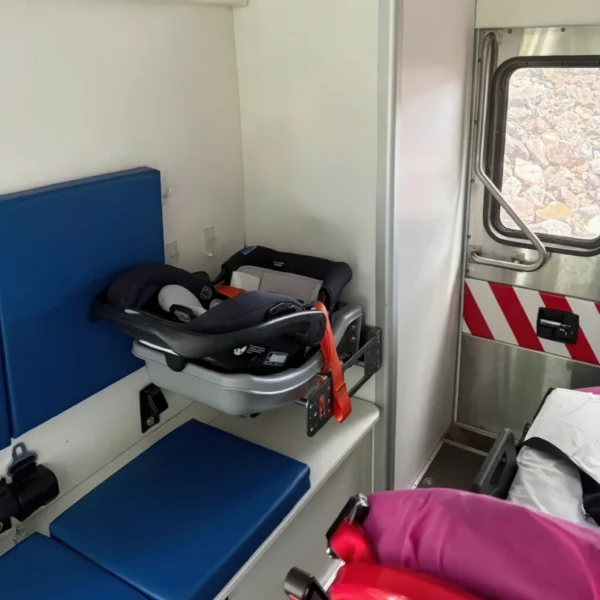
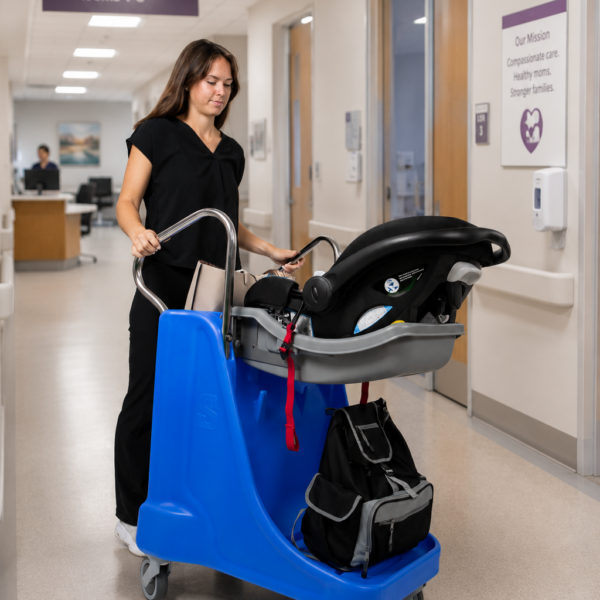
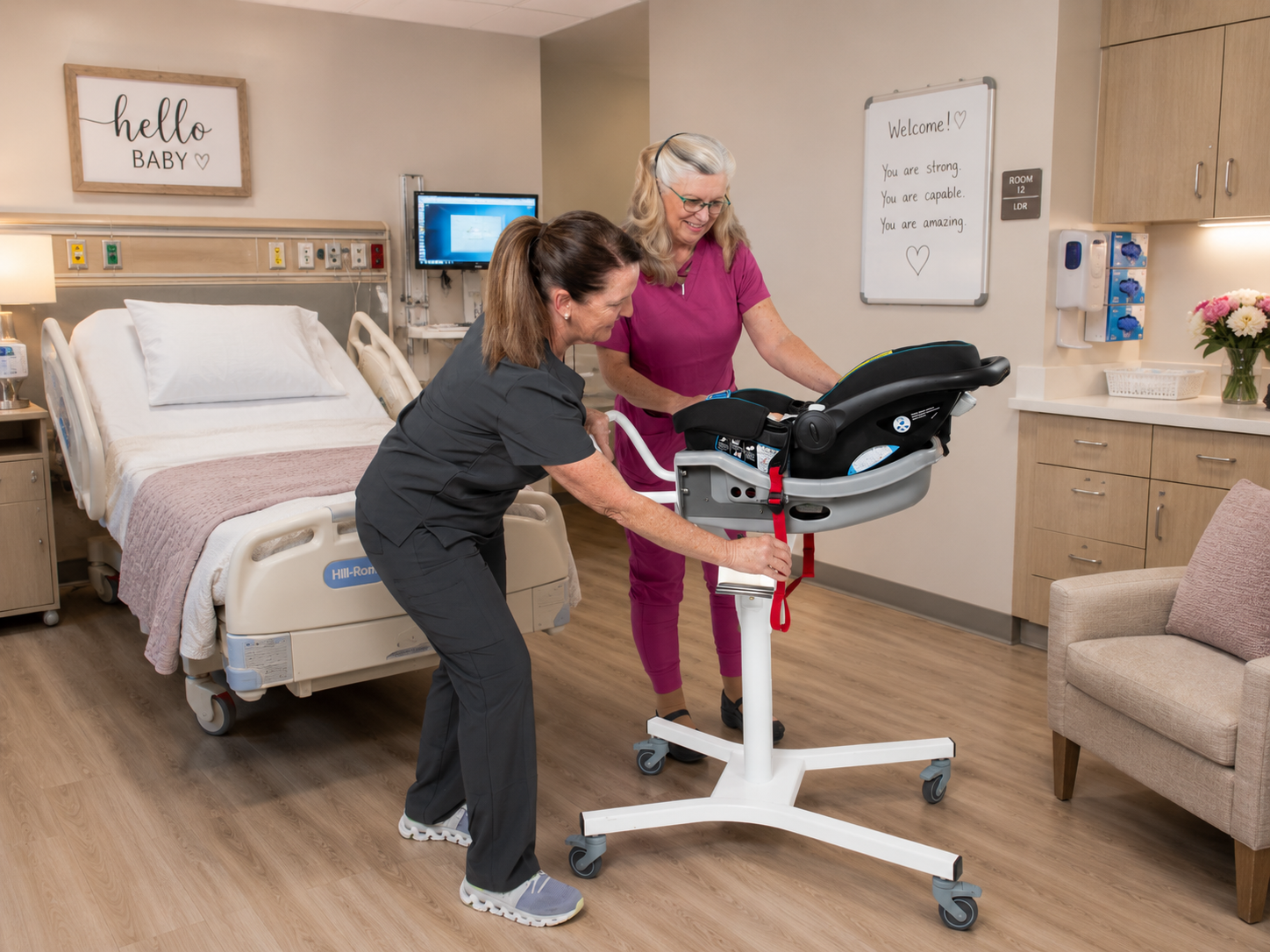
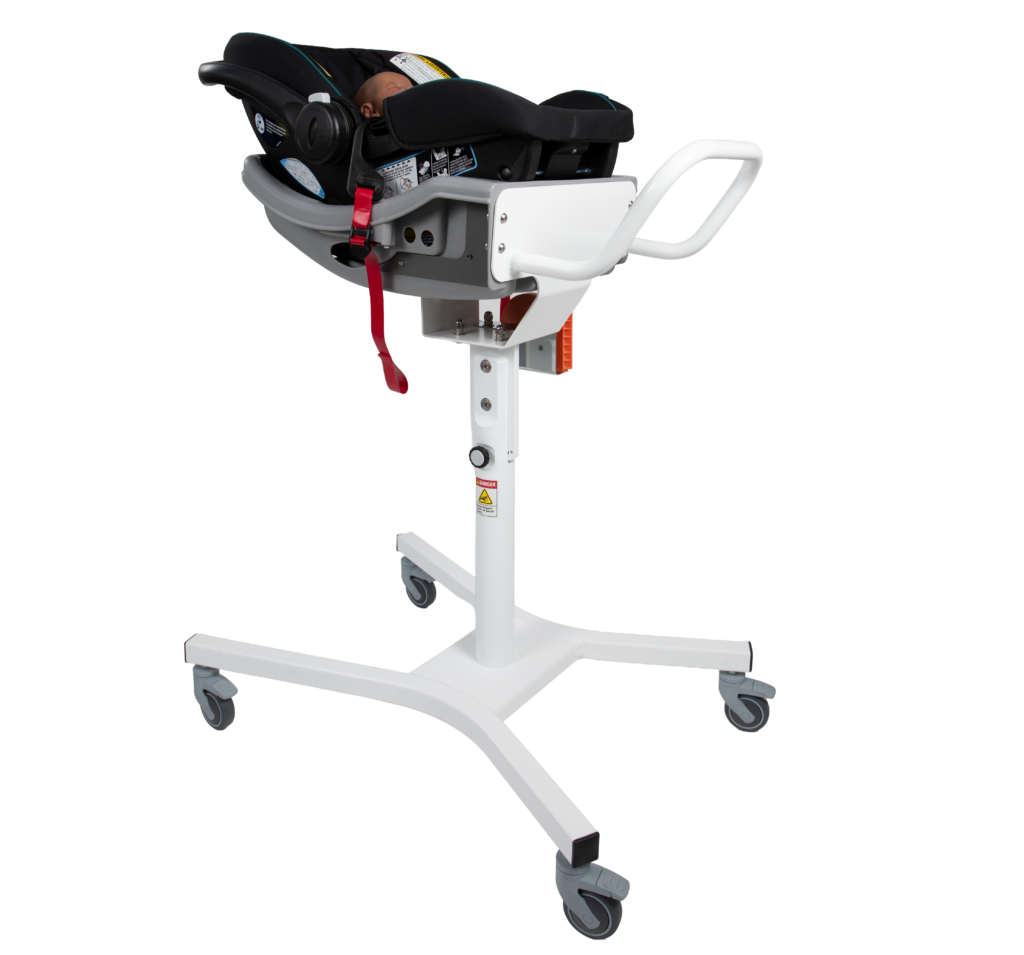
The Car Seat Tester provides a dedicated platform specifically designed for infant car seat testing.
Advantages include:
- Consistent testing setup
- Portable design
- Easy maneuverability
- Improved organization
- Reduced reliance on improvised surfaces
Benefits for NICU and Nursing Teams
Nurses often manage multiple discharge-related tasks simultaneously. A dedicated testing solution can help streamline the process.
Potential benefits include:
- Faster setup
- More standardized procedures
- Improved workflow efficiency
- Better utilization of clinical space
- Easier testing coordination
Supporting Safety and Cleanliness Goals
Healthcare organizations continue to prioritize cleanliness and infection prevention initiatives.
By reducing the need to place infant carriers on floors and other non-dedicated surfaces, facilities can support:
- Cleaner workflows
- More organized testing areas
- Improved patient experience
- Consistent testing practices
A Simple Improvement with Meaningful Impact
Dedicated equipment for car seat testing can help create a more efficient process while supporting nursing staff and improving the overall discharge experience.